

Ramps For Wheelchairs
FollowOverview
-
Founded Date July 4, 1901
-
Sectors Droit, Justice & Affaires Juridiques
-
Posted Jobs 0
-
Viewed 19

Company Description
Guide To Aluminum Wheelchair Ramp: The Intermediate Guide Towards Aluminum Wheelchair Ramp
The Benefits of Aluminum Wheelchair Ramps: A Comprehensive Guide
Access to safe and trustworthy methods of mobility is a fundamental requirement for everybody. For individuals with mobility challenges, browsing areas can frequently be difficult. Wheelchair ramps play an important role in making environments more available. Amongst the products utilized in their construction, aluminum ramps are gaining popularity due to their numerous benefits. This blog post digs into the benefits and functions of aluminum wheelchair ramps, supplying valuable insights for anybody considering this important investment.
What is an Aluminum Wheelchair Ramp?
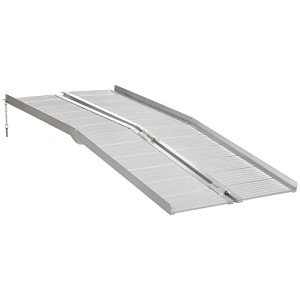
Aluminum wheelchair ramps are mobility aids created to offer smooth access into structures, vehicles, or other raised areas. They usually consist of a series of sloped surface areas that allow users to move in between different levels without the need for steps or lifts. Aluminum ramps are understood for their strength, resilience, and lightweight residential or commercial properties, making them an excellent choice for both permanent and portable applications.
Benefits of Aluminum Wheelchair Ramps
| Benefits | Description |
|---|---|
| Sturdiness | Aluminum is resistant to rust and deterioration, making sure a long lifespan. |
| Lightweight | Easy to transport and navigate due to the lightweight nature of aluminum. |
| Flexibility | Appropriate for numerous settings, from homes to public spaces, and even cars. |
| Maintenance | Requires very little upkeep compared to other products such as wood. |
| Cost-efficient | Offers a great balance of price and performance, often more budget friendly than other products with similar resilience. |
| Safety Features | Equipped with non-slip surfaces and can be installed with side rails for added security. |
Key Considerations When Choosing an Aluminum Wheelchair Ramp
When selecting an aluminum wheelchair ramp, a number of crucial elements need to be taken into account:
-
Length and Slope: Ensure the ramp is long enough to comply with security policies. The slope ratio is important; a typical suggestion is a 1:12 ratio (1 inch of rise for each 12 inches of ramp run).
-
Weight Capacity: Check the weight capacity of the ramp to ensure it can support both the wheelchair and the user securely.
-
Mobility: If mobility is a concern, try to find ramps that are quickly foldable or have a lightweight design.
-
Installation: Consider whether you require a permanent setup or a temporary, portable option.
-
Security Features: Features like a non-slip surface area, raised edges, and hand rails can boost security throughout use.
Kinds Of Aluminum Wheelchair Ramps
Aluminum wheelchair ramps been available in different types to suit various needs:
| Type | Description |
|---|---|
| Portable Ramps | Lightweight and easily adjustable ramps perfect for temporary usage. |
| Threshold Ramps | Brief ramps created to overcome door sills or little height distinctions. |
| Foldable Ramps | Can be folded for simple storage and transportation, making them flexible for various locations. |
| Irreversible Ramps | Set up permanently for ongoing availability; created for more extensive usage. |
Maintenance of Aluminum Wheelchair Ramps
Keeping aluminum wheelchair ramps is reasonably simple. Here are some pointers for maintenance:
- Regular Cleaning: Rinse off mud and dirt with water or a mild detergent to avoid build-up.
- Check for Damage: Examine the ramp frequently for any indications of wear or damage. Ensure the structure is sturdy and the surface is intact.
- Examine Non-Slip Features: Ensure that the non-slip coating stays efficient and change it if necessary.
- Protect Fasteners: Occasionally check and tighten up any screws, bolts, or fasteners to guarantee stability.
FAQs About Aluminum Wheelchair Ramps
Q1: What is the expense of aluminum wheelchair ramps?
A: The cost of aluminum wheelchair ramps can differ considerably based on length, style, and producer. Generally, the rate can range from a couple of hundred to over a thousand dollars. It is vital to evaluate the particular needs and use frequency to determine the proper financial investment.
Q2: Do I need a professional to set up an aluminum ramp?
A: Many aluminum ramps feature easy-to-follow installation instructions, making it possible for most individuals to set them up without professional help. Nevertheless, for long-term setups or complex setups, speaking with a professional is recommended to guarantee security and compliance with local policies.
Q3: Can aluminum wheelchair ramps be used outdoors?
A: Yes, aluminum ramps are perfect for outdoor usage as they are resistant to rust and deterioration. They perform well in various weather conditions, making them suitable for external access points.
Q4: Are there weight limits for aluminum wheelchair ramps?
A: Yes, aluminum wheelchair ramps are created with particular weight limitations. It is vital to examine the producer’s guidelines to make sure that the ramp can safely support the user and their wheelchair.
Q5: How do I figure out the essential length of the ramp?
A: The needed length of the ramp depends upon the height of the surface area to be accessed. A basic guideline is to utilize a 1:12 slope ratio; for example, if the height is 24 inches, the ramp must be at least 24 feet long.
Aluminum wheelchair ramps are a practical and reliable service for enhancing accessibility in various environments. Their special combination of durability, lightweight building and construction, and security functions makes them a favored choice for a diverse variety of users. Whether one requires a portable solution for occasional usage or a long-term setup for ongoing ease of access, aluminum ramps use versatile alternatives designed to fulfill particular requirements.
Investing in a quality aluminum wheelchair ramp is not practically improving mobility; it’s a dedication to creating an inclusive environment where everybody has the opportunity to navigate freely. With the best choices, these ramps can substantially enhance the every day lives of individuals facing mobility challenges.
